Sialendoscopy on Sitapur Road Lucknow for Salivary Gland Blockage and Stone Removal
Swelling near the jaw during meals often starts as a small inconvenience. Over time, it becomes predictable, uncomfortable, and difficult to ignore. Many patients manage it with repeated medication, yet the problem keeps returning because the blockage inside the salivary duct remains untreated.
Asia ENT Centre provides evaluation and treatment guidance for salivary gland blockage and stone-related swelling on Sitapur Road Lucknow. Careful assessment helps identify the exact cause of obstruction and decide whether sialendoscopy or another ENT treatment approach is appropriate.
Dr. Zakir Alvi, MBBS, MS (ENT), brings 25+ years of post-specialization ENT experience, with a clinical background that includes Jawaharlal Nehru Medical College Hospital, Dammam Central Hospital in Saudi Arabia, a medical college faculty role, and Scott’s ENT Hospital, Lucknow.
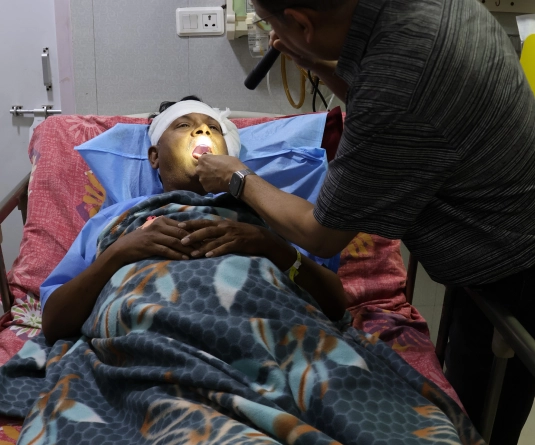
A doctor examining the mouth of a patient

What Is Sialendoscopy?

Sialendoscopy is a minimally invasive procedure used to examine the salivary ducts and treat blockages directly at their source. Instead of relying only on scans or symptoms, it gives a clear, real-time view of what is causing the problem.
A thin endoscope is introduced through the natural opening of the duct, allowing the surgeon to identify and treat issues such as:
The key advantage is that the gland is preserved. The treatment focuses on clearing the obstruction rather than removing the gland itself.

Signs You May Need Sialendoscopy

Salivary gland blockage often follows a pattern that becomes easier to recognise over time.
You may notice swelling near the jaw or under the chin that appears during meals and settles afterwards. This happens because saliva builds up behind the blockage while eating.
Other signs include:
If these symptoms keep returning, the cause is usually structural rather than temporary inflammation.
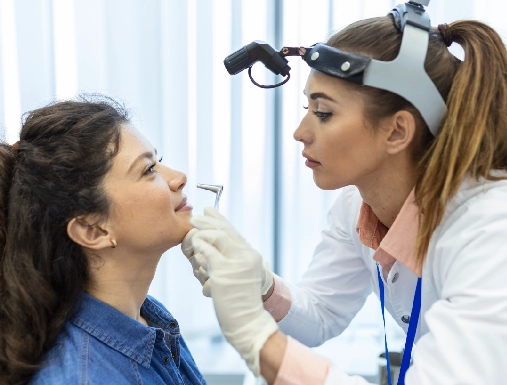
A doctor examining a person mouth

Types of Sialendoscopy

Sialendoscopy is planned based on the cause and location of the blockage. It is used to confirm the diagnosis when imaging is inconclusive, to treat the obstruction, or to manage more complex cases when required.

01 icon

Diagnostic Sialendoscopy

This is done when the cause of symptoms is not clearly identified on imaging. The endoscope allows direct visualisation of the duct to locate stones, narrowing, or inflammation.

Therapeutic Sialendoscopy

Once the blockage is identified, treatment is performed during the same procedure. This may include stone removal, duct dilation, or clearing the duct system to restore normal saliva flow.
02 icon

Combined Sialendoscopy

When stones are large or difficult to access, a combined approach is used. The endoscope guides a small intraoral procedure to remove the obstruction while preserving the gland.
03 icon

How Sialendoscopy Works?

The treatment is planned in a clear, structured manner, with a focus on identifying and clearing the exact cause of the blockage.

Step 1: Evaluation and Diagnosis

The process begins with a clinical examination supported by imaging, such as an ultrasound. This helps locate the blockage and determine its size, position, and nature.

Step 2: Endoscopic Procedure

A fine endoscope is gently introduced through the natural opening of the salivary duct. The blockage is visualised directly and treated using specialised instruments.

Step 3: Restoring Saliva Flow

Once the obstruction is cleared, normal saliva flow is restored. This reduces pressure within the gland, relieving swelling and discomfort.

Step 4: Recovery and Monitoring

Recovery guidance depends on the procedure and patient condition. Mild discomfort for a few days may occur and usually improves gradually with basic care and follow-up.

Sialendoscopy Treatment Timeline

Stage

Time Frame

Initial Consultation

Same day

Diagnosis & Planning

1–2 days

Procedure Day

30–90 minutes

Post-Procedure Guidance

As advised

Recovery Phase

3–7 days

Follow-Up Visit

1–2 weeks

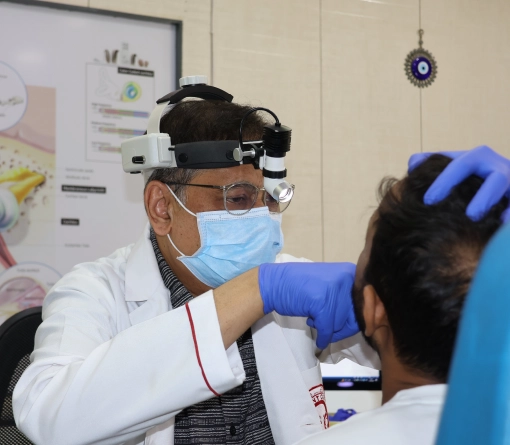
A doctor examining a patient

Benefits of Sialendoscopy

Sialendoscopy is designed to solve the problem without creating additional surgical trauma.
The focus remains on restoring normal function rather than removing the gland.

Meet Dr. Zakir Alvi, MBBS, MS (ENT)

Dr. Zakir Alvi is an ENT specialist on Sitapur Road Lucknow with 25+ years of post-specialization experience. He treats a wide range of ear, nose, throat, voice, airway, and neck-related concerns, including salivary gland symptoms, recurrent swelling, throat conditions, sinus problems, nasal blockage, and hearing-related issues.
His approach is based on careful examination, relevant diagnostic evaluation, and appropriate treatment selection for each case. Patients receive clear guidance on the diagnosis, available treatment options, expected recovery, and follow-up care.
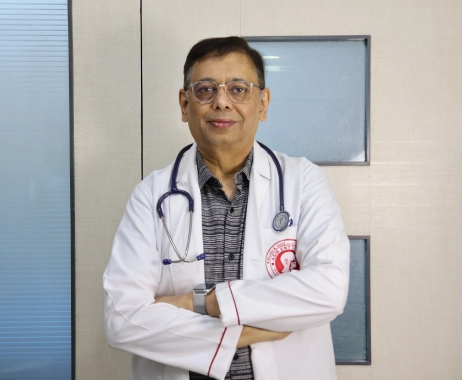
Picture of Dr. Zakir Alvi
Testimonials

Rated as one the best ENT Doctors in Lucknow

atul kr S. profile picture
atul kr S.
2 years ago
Dr Zakir Alvi is a sweet and down-to-earth person.He treats his patients nicely and is a expert in his profession. I highly recommend him if you have any ENT related issues.
Sunil S. profile picture
Sunil S.
6 years ago
We came here for vaccination.The hospital was neat and clean with positive energy.The staff was well behaved and very cooperative.

Why Choose Asia ENT Centre for Sialendoscopy on Sitapur Road Lucknow?

Successful outcomes in salivary gland blockage treatment depend on accurate diagnosis and careful ENT planning. At Asia ENT Centre, each step of evaluation and treatment guidance follows a structured clinical approach under Dr. Zakir Alvi.

25+ Years of ENT Experience

Dr. Zakir Alvi, MBBS, MS (ENT), has 25+ years of post-specialization experience in ENT care. Every patient is evaluated carefully so the treatment plan is based on the exact cause rather than a general approach.

Endoscopy-Based ENT Evaluation

Endoscopy-based ENT evaluation helps improve visual assessment and supports targeted treatment planning where required. This helps the doctor understand the cause of obstruction and guide the next step clearly.

Gland-Preserving Treatment Approach

The focus remains on preserving the salivary gland wherever possible. Even in complex cases, minimally invasive or combined techniques are planned carefully to avoid unnecessary removal of the gland.

Dedicated ENT Care Setup

A focused ENT care setup helps ensure that diagnosis, treatment planning, and follow-up guidance are managed in an organised and efficient manner.

Transparent Treatment Planning

Patients receive a clear explanation of the diagnosis, procedure, recovery timeline, and cost before treatment begins, helping them make informed decisions with confidence.

Book Your Appointment for Sialendoscopy on Sitapur Road Lucknow

Swelling near the jaw during meals or repeated discomfort in the same area is often linked to a blockage in the salivary duct. These symptoms may settle temporarily with medication but tend to return if the underlying cause is not addressed.
A clinical evaluation helps confirm the cause and determine whether sialendoscopy is the appropriate treatment.

Asia ENT Centre is located near Puraniya Tiraha, Priyadarshini Yojna, Sitapur Road, Lucknow. You can call 075650 02502 to schedule a consultation with Dr. Zakir Alvi and get a clear assessment of your condition.

FAQs

What is sialendoscopy used for?
Sialendoscopy is used to diagnose and treat blockages of the salivary glands, most commonly caused by stones or duct narrowing. It helps restore normal saliva flow without removing the gland.
Sialendoscopy is less invasive than traditional surgery and focuses on preserving the salivary gland. It is preferred in most cases where the blockage can be treated endoscopically.
Salivary gland stones often cause pain or swelling that increases during meals due to saliva buildup behind the blockage. The discomfort may reduce after eating but tends to return.
Diagnosis is based on clinical examination and imaging, such as an ultrasound or CT scan. These help identify the presence, size, and location of the blockage.
Temporary symptoms may resolve, but a structural blockage, such as a stone or a narrowed duct, usually does not resolve on its own and may require treatment.